Making Conversation

PREFACE BY RACHEL BILLINGTON
288pp
ISBN 9781903155738
Making Conversation (1931) by Christine Longford (1900-80) was first reprinted in 1970 after the novelist Pamela Hansford Johnson reassessed it in the Times Literary Supplement. She wrote: ‘This ought to be regarded as an English comic classic, which I suppose, unlike the ravishing Cold Comfort Farm, it is not. I hope time will redress the neglect.’ The heroine, Martha, is plain, with curly hair, small eyes which she tries to enlarge in a soulful manner by stretching them in front of the looking glass, and very little chin. She is extremely clever and totally innocent. Her besetting trouble is that she either talks too much, or too little: she can never get right the balance of conversation.
‘The genteel school Martha goes to is run by Miss Spencer and Miss Grossmith. Martha doesn’t mind them. Indeed, she doesn't really mind anything; she is a most detached girl, letting even their idiotic sarcasms slide off her back. “Now Martha,” said Miss Spencer, “what is adultery?” Martha had not the faintest idea. “It is a sin,” she said, “committed by adults,” putting the accent on the second syllable. “That is a parrot’s answer. You think you are very clever, Martha, attempting to conceal your ignorance and your lack of thought. The attempt at concealment is not better than a lie. Adultery is self-indulgence. It is the extra lump of sugar in your tea. It is the extra ten minutes in bed in the morning. It is the extra five minutes a girl wastes by dawdling up the High Street and gaping at the shop windows...” Martha accepts this Chadbandery in the same way as she accepts the constant nagging that she should be keen on netball, and the gossip she hears around her concerning her preceptors.
‘This witty book, crisp and dry as a fresh biscuit, is a novel of astonishing subtlety and of a subtlety that is not at all “worked out”. It is native and assured. It is this subtlety that saves Making Conversation from the imputation of triviality, of being just a “funny novel”. It is about a real girl, for whom we ought to be sorry, but for whom, because of her strength of nature, we are not sorry in the least. She would raise her eyebrows at us if we were.’
The new Persephone Preface to Making Conversation is by Rachel Billington, who is Christine Longford's niece by marriage. She eloquently describes the ménage at Tullynally Castle where the Longfords lived and describes why, despite the wonderful reviews Christine received for the book, she gave up writing.
Endpaper
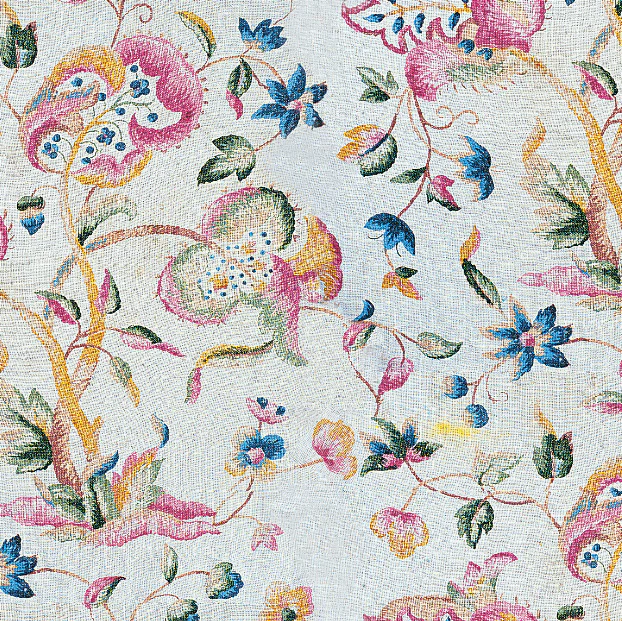
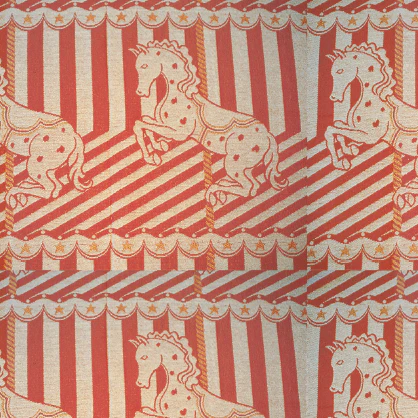
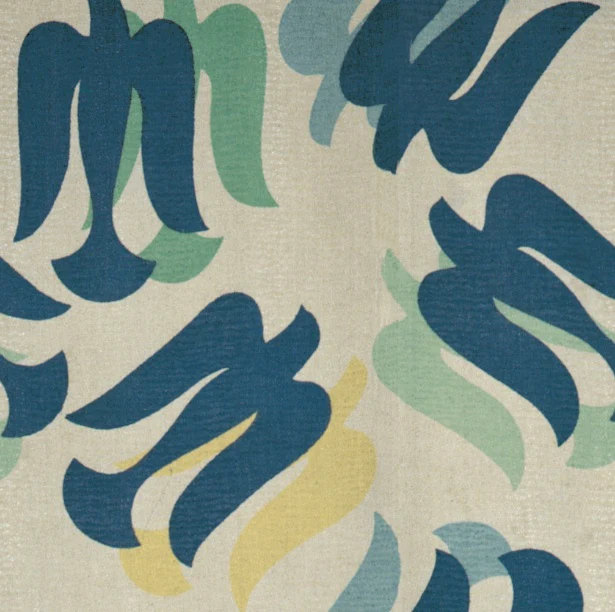
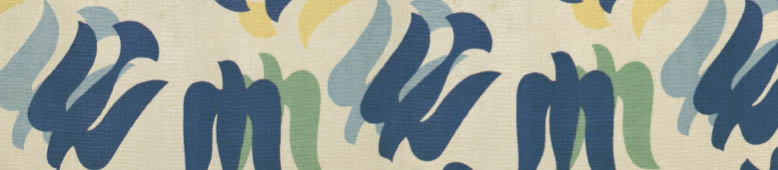
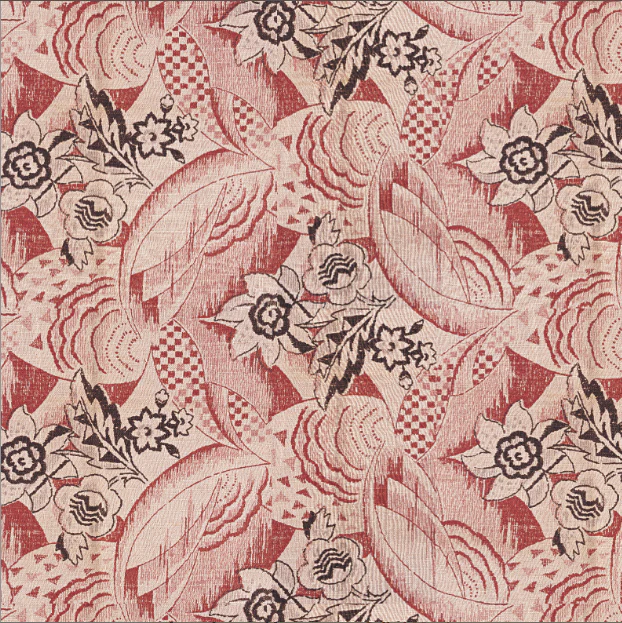
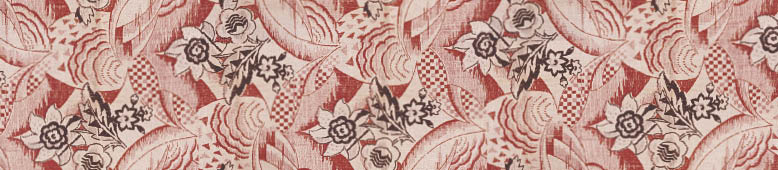
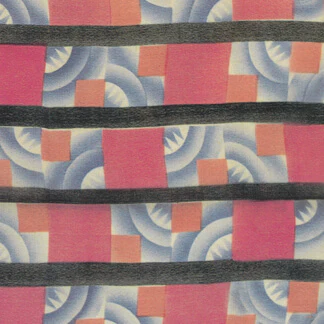
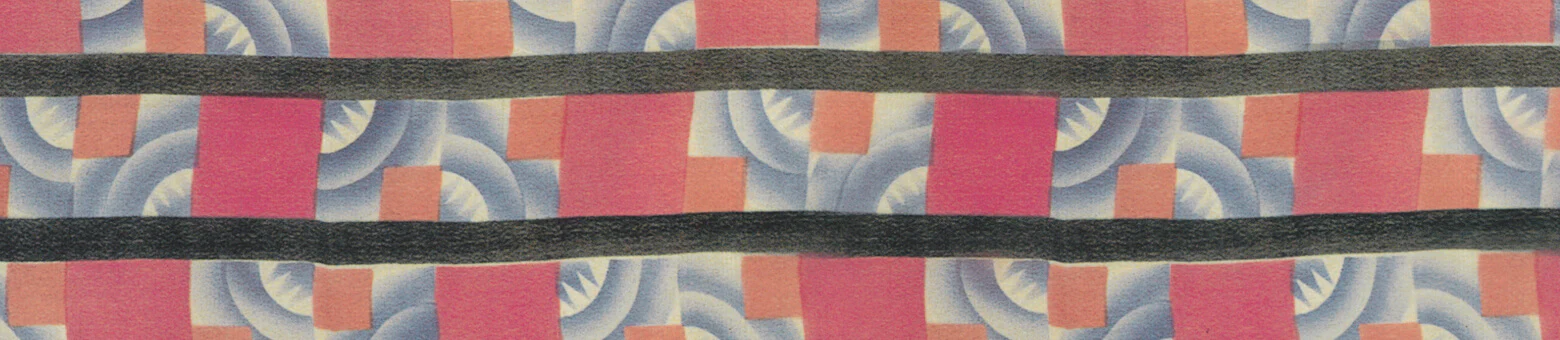
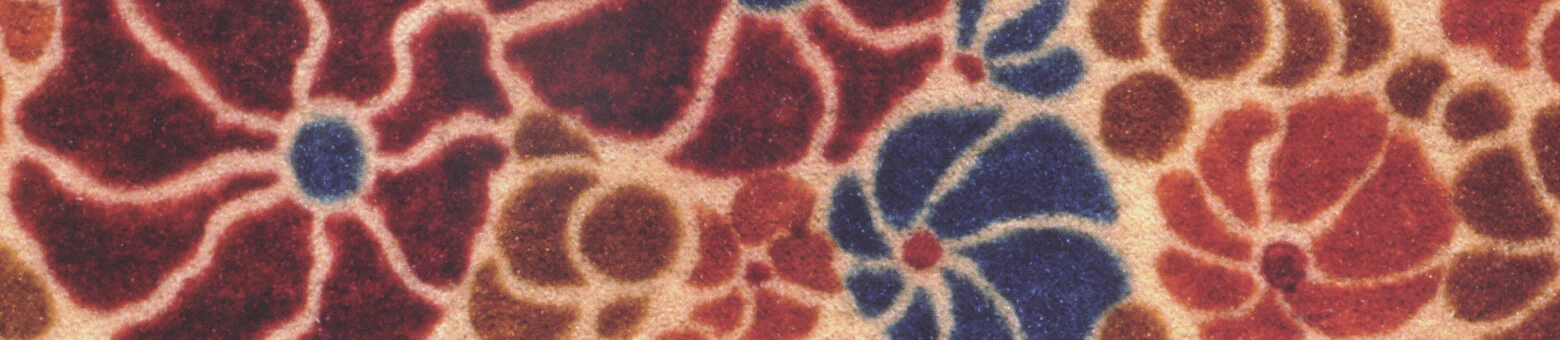
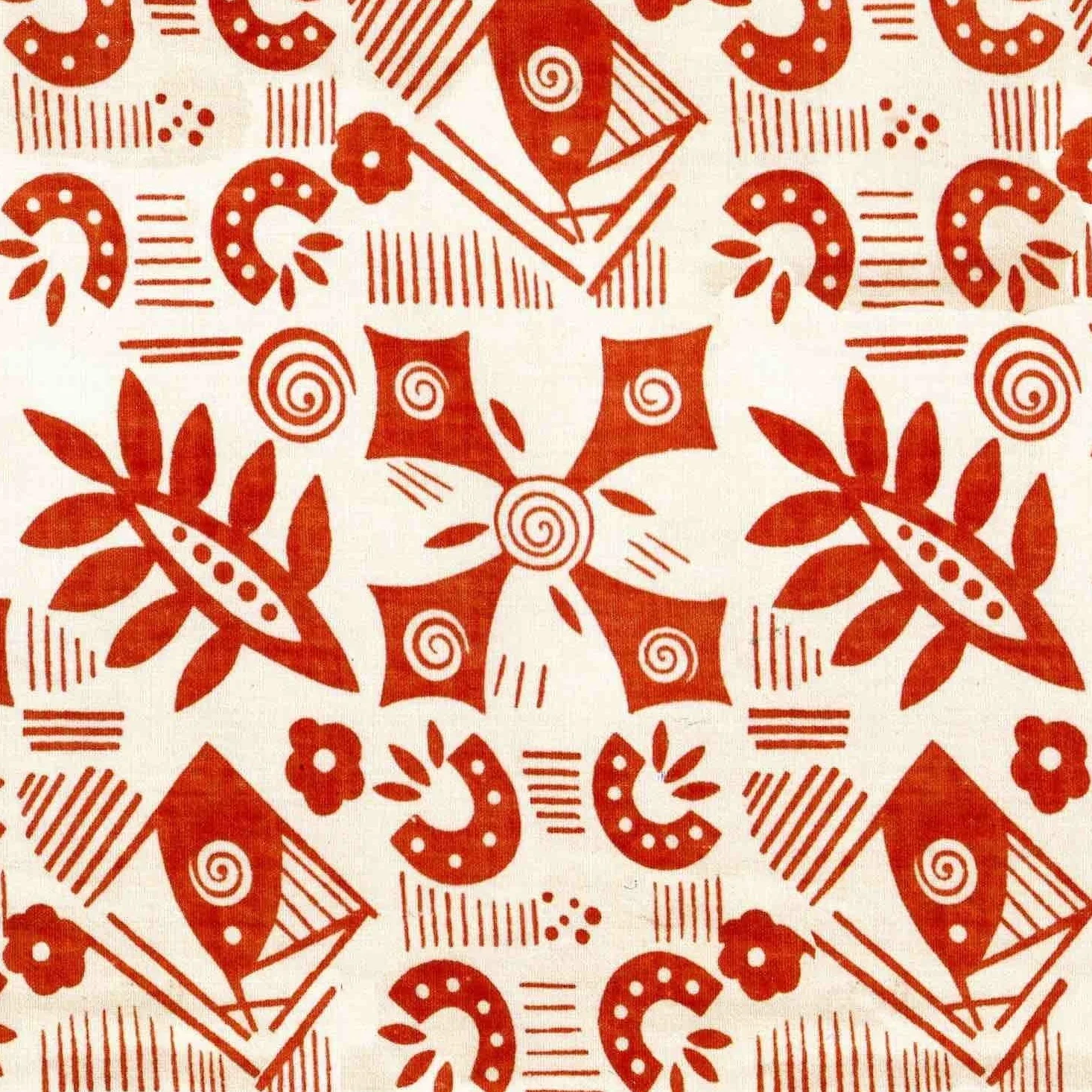
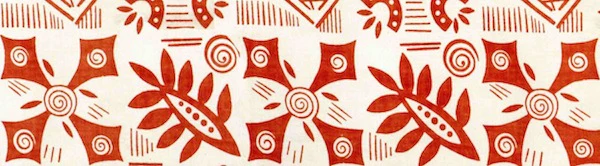
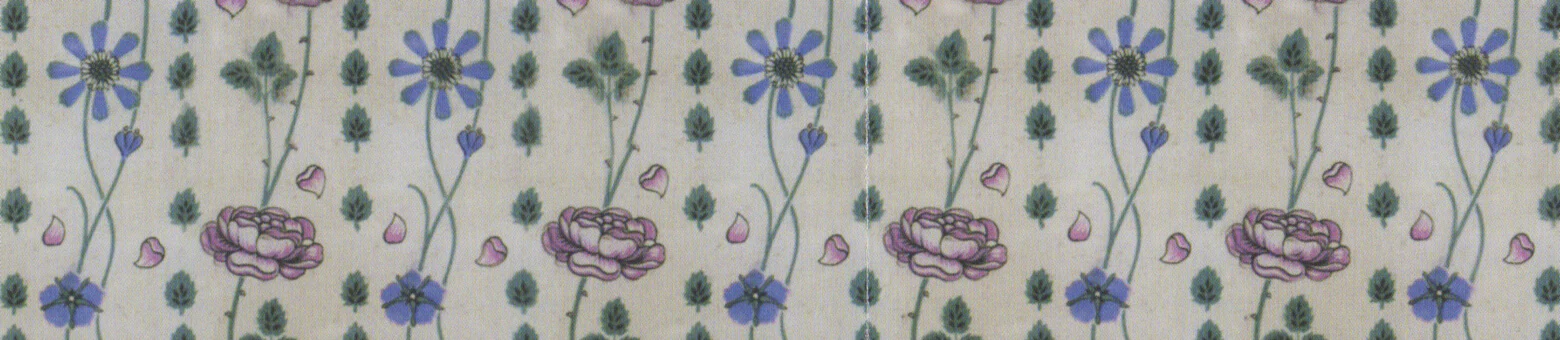
Endpapers taken from a 1931 dress silk in a private collection
Picture Caption
Christine Longford by Lady Ottoline Morrell, 1920 © National Portrait Gallery, London
PREFACE BY RACHEL BILLINGTON
288pp
ISBN 9781903155738
Making Conversation (1931) by Christine Longford (1900-80) was first reprinted in 1970 after the novelist Pamela Hansford Johnson reassessed it in the Times Literary Supplement. She wrote: ‘This ought to be regarded as an English comic classic, which I suppose, unlike the ravishing Cold Comfort Farm, it is not. I hope time will redress the neglect.’ The heroine, Martha, is plain, with curly hair, small eyes which she tries to enlarge in a soulful manner by stretching them in front of the looking glass, and very little chin. She is extremely clever and totally innocent. Her besetting trouble is that she either talks too much, or too little: she can never get right the balance of conversation.
‘The genteel school Martha goes to is run by Miss Spencer and Miss Grossmith. Martha doesn’t mind them. Indeed, she doesn't really mind anything; she is a most detached girl, letting even their idiotic sarcasms slide off her back. “Now Martha,” said Miss Spencer, “what is adultery?” Martha had not the faintest idea. “It is a sin,” she said, “committed by adults,” putting the accent on the second syllable. “That is a parrot’s answer. You think you are very clever, Martha, attempting to conceal your ignorance and your lack of thought. The attempt at concealment is not better than a lie. Adultery is self-indulgence. It is the extra lump of sugar in your tea. It is the extra ten minutes in bed in the morning. It is the extra five minutes a girl wastes by dawdling up the High Street and gaping at the shop windows...” Martha accepts this Chadbandery in the same way as she accepts the constant nagging that she should be keen on netball, and the gossip she hears around her concerning her preceptors.
‘This witty book, crisp and dry as a fresh biscuit, is a novel of astonishing subtlety and of a subtlety that is not at all “worked out”. It is native and assured. It is this subtlety that saves Making Conversation from the imputation of triviality, of being just a “funny novel”. It is about a real girl, for whom we ought to be sorry, but for whom, because of her strength of nature, we are not sorry in the least. She would raise her eyebrows at us if we were.’
The new Persephone Preface to Making Conversation is by Rachel Billington, who is Christine Longford's niece by marriage. She eloquently describes the ménage at Tullynally Castle where the Longfords lived and describes why, despite the wonderful reviews Christine received for the book, she gave up writing.
Endpaper
Endpapers taken from a 1931 dress silk in a private collection
Picture Caption
Christine Longford by Lady Ottoline Morrell, 1920 © National Portrait Gallery, London
Description
PREFACE BY RACHEL BILLINGTON
288pp
ISBN 9781903155738
Making Conversation (1931) by Christine Longford (1900-80) was first reprinted in 1970 after the novelist Pamela Hansford Johnson reassessed it in the Times Literary Supplement. She wrote: ‘This ought to be regarded as an English comic classic, which I suppose, unlike the ravishing Cold Comfort Farm, it is not. I hope time will redress the neglect.’ The heroine, Martha, is plain, with curly hair, small eyes which she tries to enlarge in a soulful manner by stretching them in front of the looking glass, and very little chin. She is extremely clever and totally innocent. Her besetting trouble is that she either talks too much, or too little: she can never get right the balance of conversation.
‘The genteel school Martha goes to is run by Miss Spencer and Miss Grossmith. Martha doesn’t mind them. Indeed, she doesn't really mind anything; she is a most detached girl, letting even their idiotic sarcasms slide off her back. “Now Martha,” said Miss Spencer, “what is adultery?” Martha had not the faintest idea. “It is a sin,” she said, “committed by adults,” putting the accent on the second syllable. “That is a parrot’s answer. You think you are very clever, Martha, attempting to conceal your ignorance and your lack of thought. The attempt at concealment is not better than a lie. Adultery is self-indulgence. It is the extra lump of sugar in your tea. It is the extra ten minutes in bed in the morning. It is the extra five minutes a girl wastes by dawdling up the High Street and gaping at the shop windows...” Martha accepts this Chadbandery in the same way as she accepts the constant nagging that she should be keen on netball, and the gossip she hears around her concerning her preceptors.
‘This witty book, crisp and dry as a fresh biscuit, is a novel of astonishing subtlety and of a subtlety that is not at all “worked out”. It is native and assured. It is this subtlety that saves Making Conversation from the imputation of triviality, of being just a “funny novel”. It is about a real girl, for whom we ought to be sorry, but for whom, because of her strength of nature, we are not sorry in the least. She would raise her eyebrows at us if we were.’
The new Persephone Preface to Making Conversation is by Rachel Billington, who is Christine Longford's niece by marriage. She eloquently describes the ménage at Tullynally Castle where the Longfords lived and describes why, despite the wonderful reviews Christine received for the book, she gave up writing.
Endpaper
Endpapers taken from a 1931 dress silk in a private collection
Picture Caption
Christine Longford by Lady Ottoline Morrell, 1920 © National Portrait Gallery, London